
Coming Back
Why I went quiet, and what I've been shooting since

You might have noticed I haven’t posted on Substack for a while.
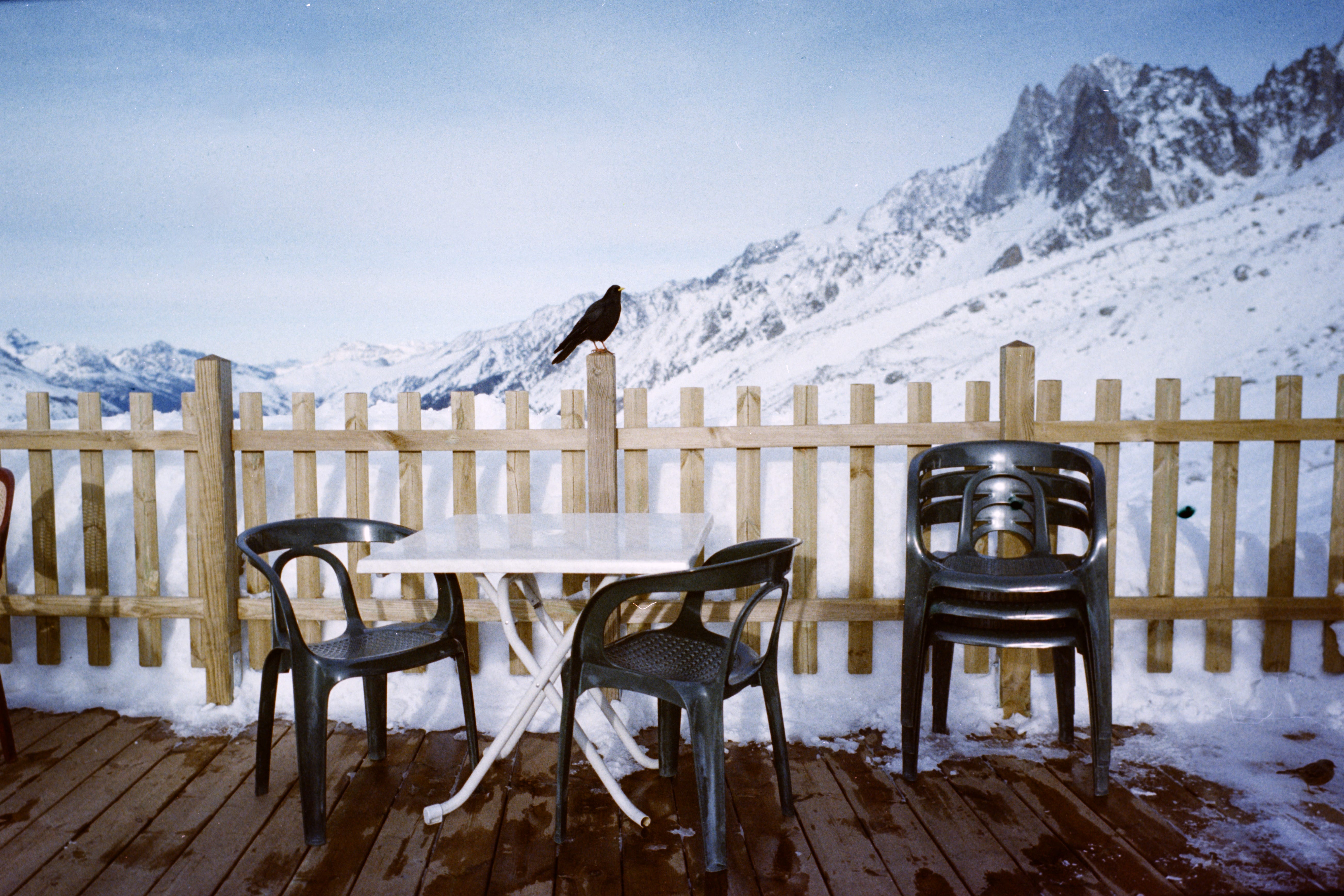
At the beginning of February, I was at the top of the ski lifts in Chamonix, having the time of my life with two friends visiting from Montreal. I was looking out over the Mont Blanc Massif when my phone pinged. It was my dad. He was on a month-long holiday in the Cape Verde Islands with his wife. I naturally assumed he was sharing POV on the beach with a beer in hand. Instead, it was news no sibling wants to read: my dad telling me my younger sister had died the night before. This was the younger of my two sisters, who was 12 years my junior. We learned not long later that she had suffered a massive stroke.
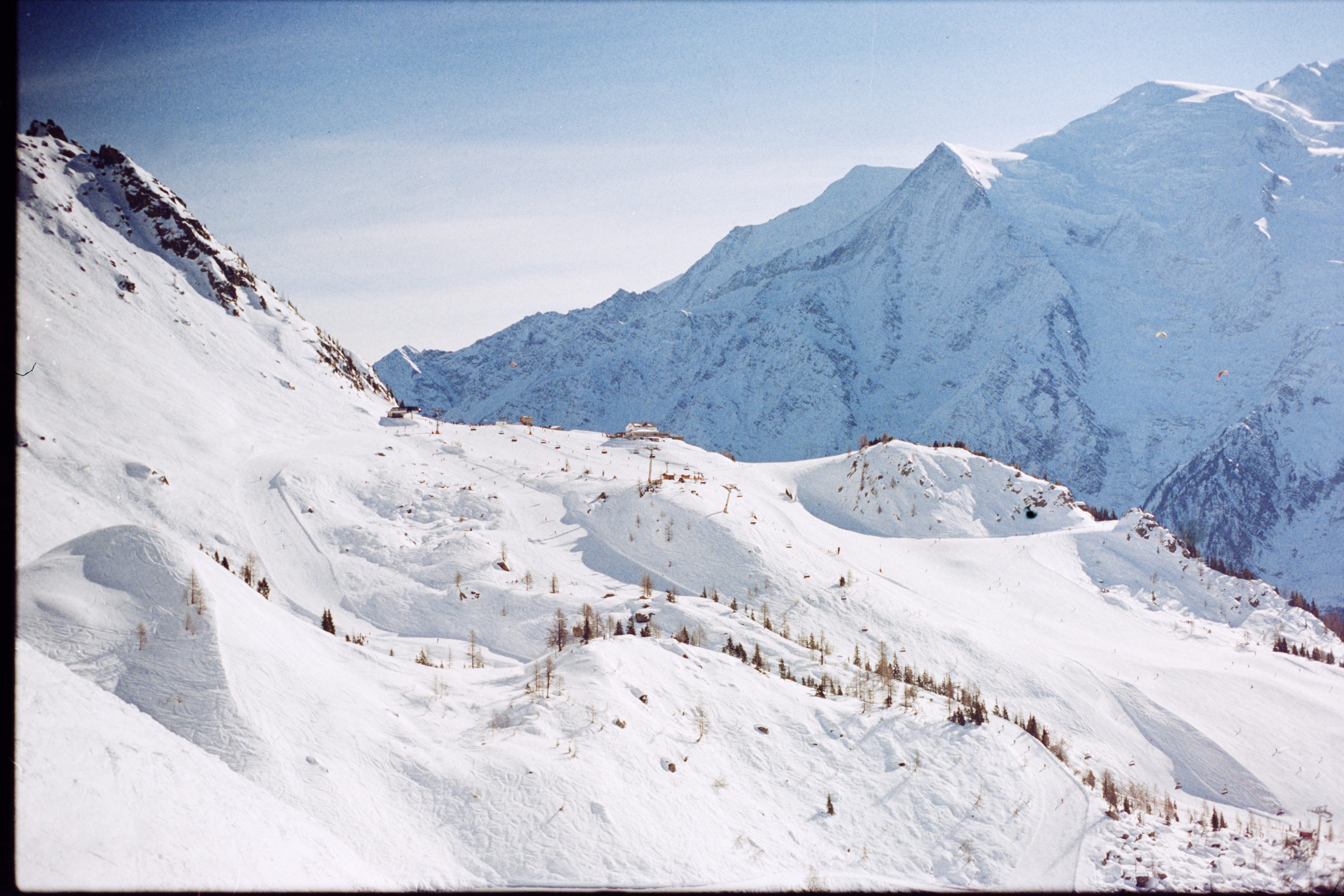
There’s a surreal quality to reading and processing information like this in the moment. Your perception of time slows right down. Lying down on the side of a red piste with my snowboard boots attached to my bindings, I stared up at the sky and small, wafer-thin clouds, fast-moving and shifting forms – a reminder that nothing is constant, things are always changing, life is fragile. I felt my sister’s presence. We were still just halfway through the holiday, so I did my best to hold it together. Not really possible, but I tried. I didn’t want the trip to be a downer for my friends who’d flown across the Atlantic.
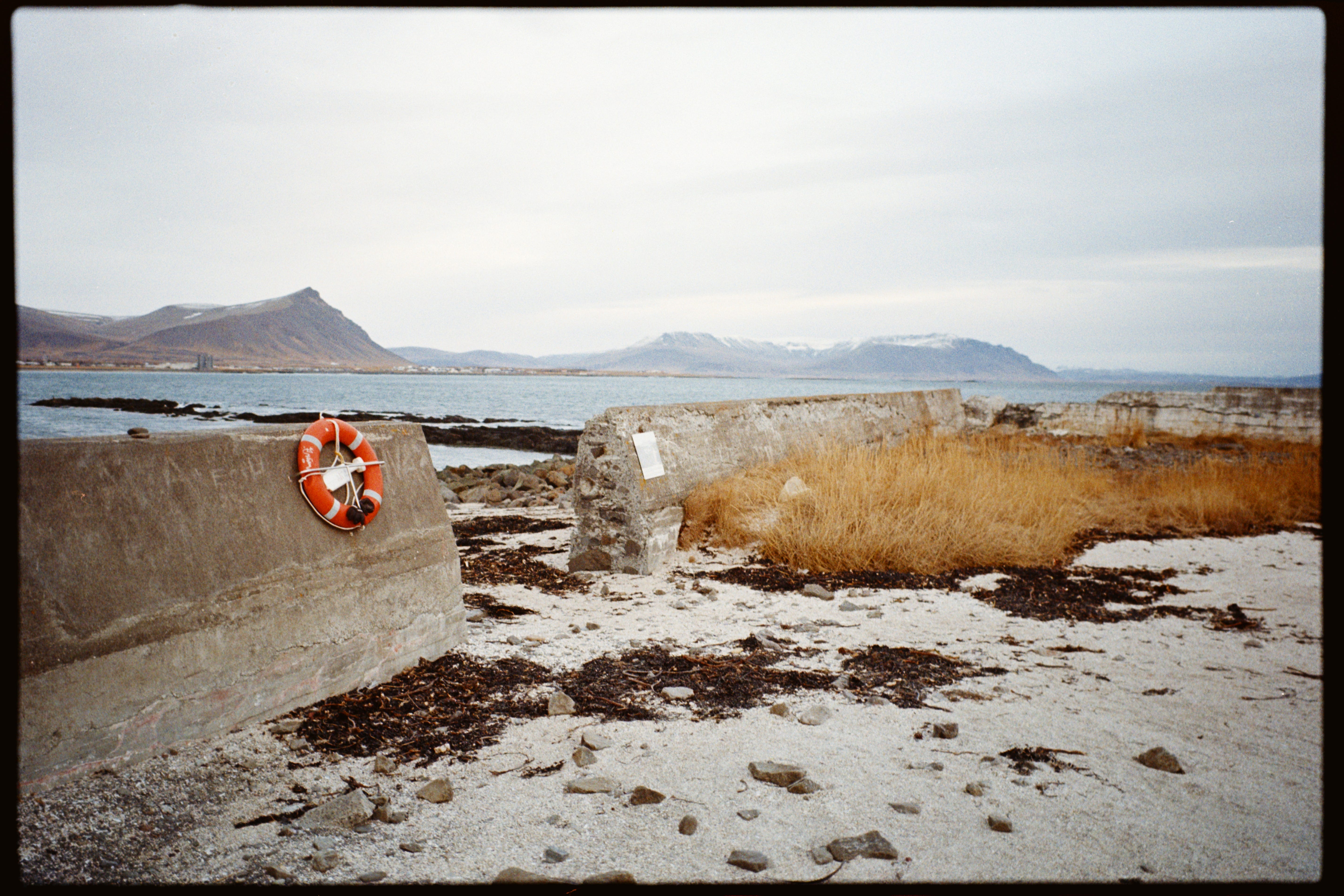
Back in Berlin, I was functionally useless, glued to the sofa, doomscrolling, zero motivation. Two weeks later, I was on a flight to Reykjavik for the funeral. It was a beautiful ceremony, but painful. Time with my dad and my other sister helped. Three months have passed. You never get over it, but you learn to live with it, and I’m piecing my routine back together, which means writing again.
There’s plenty to catch up on.
MY PHOTO IS ON AN ALBUM COVER
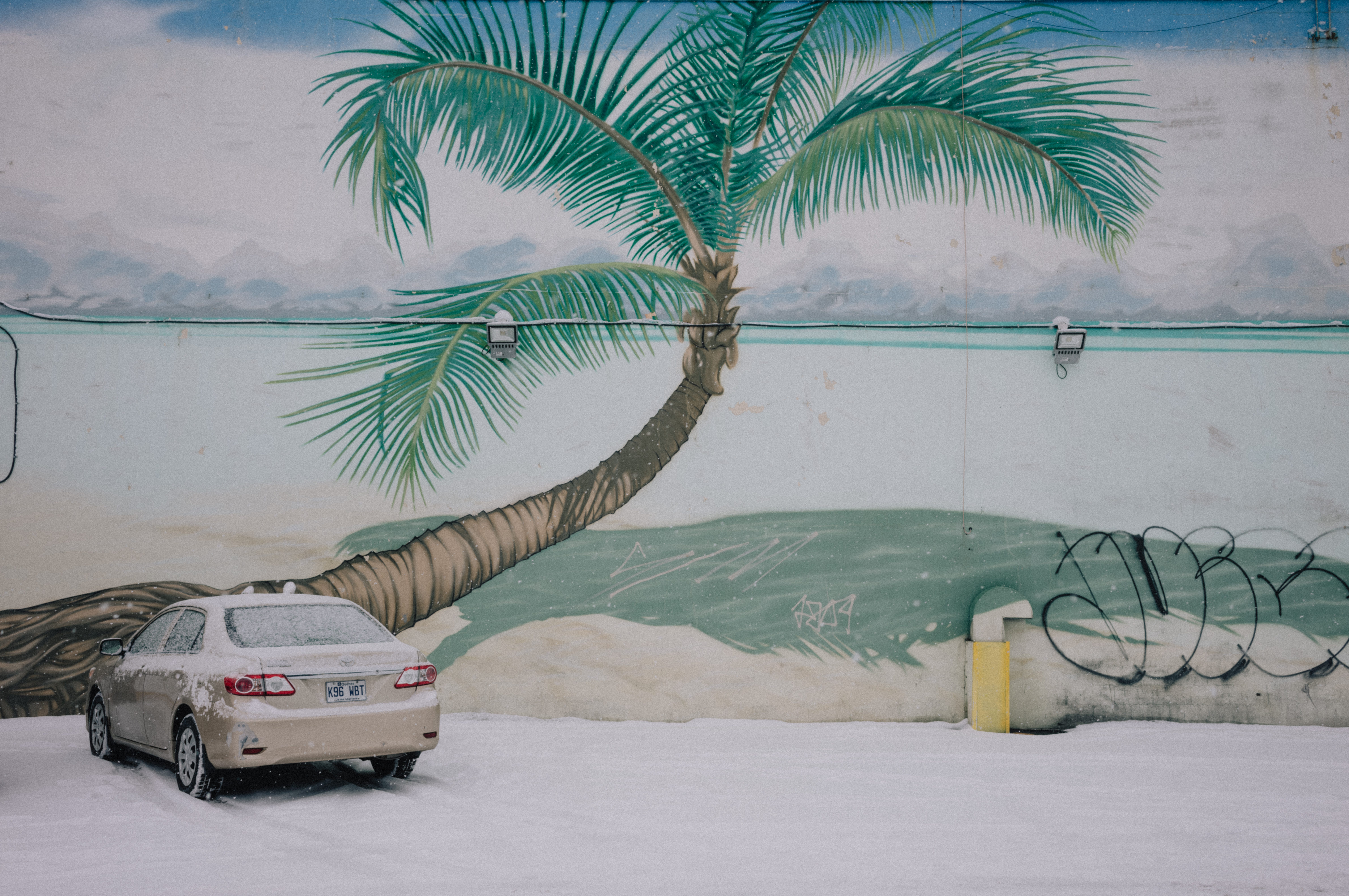
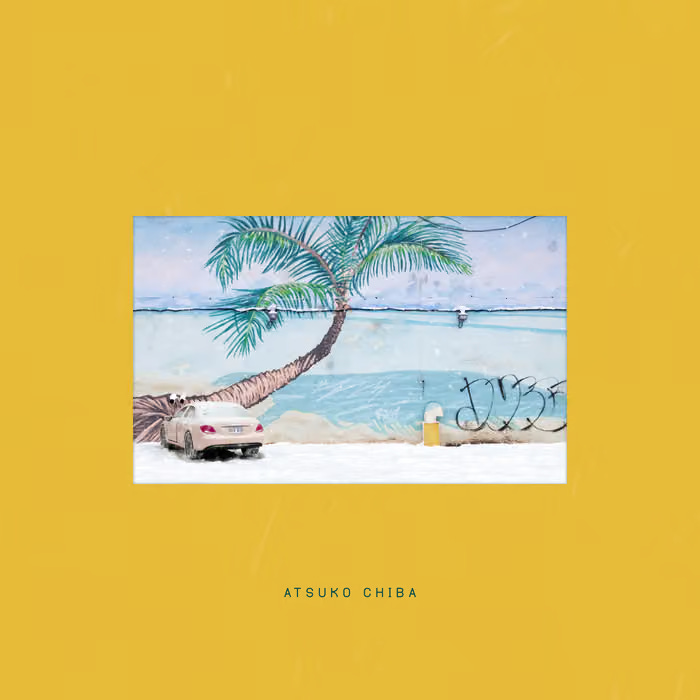
Last year, Montreal indie rock band Atsuko Chiba reached out to buy the rights to one of my photos for their upcoming album cover. The shot was taken in the least aesthetically pleasing corners of Montreal’s Côte–des–Neiges–Notre–Dame–de–Grâce, called “The Triangle”.
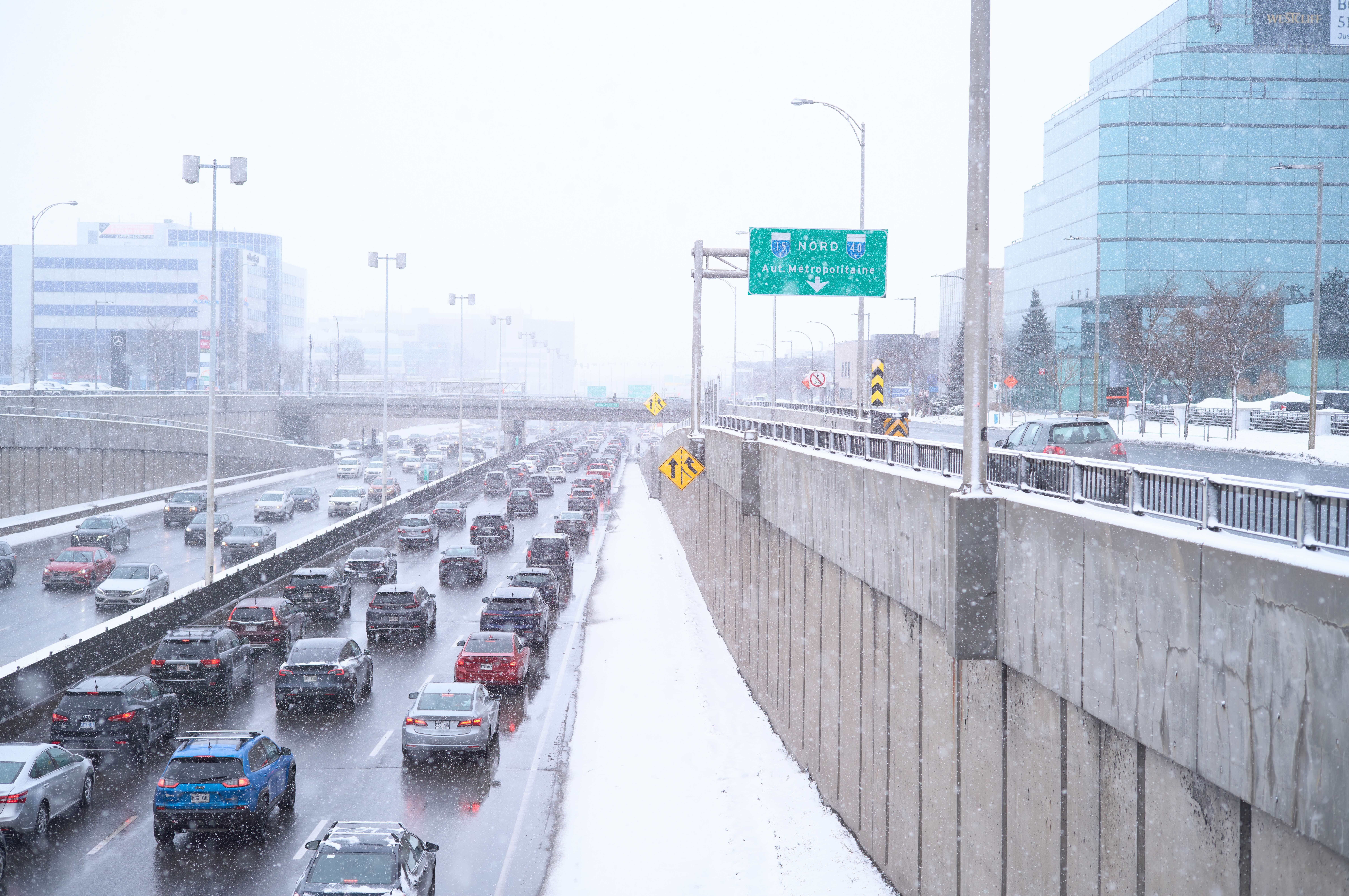
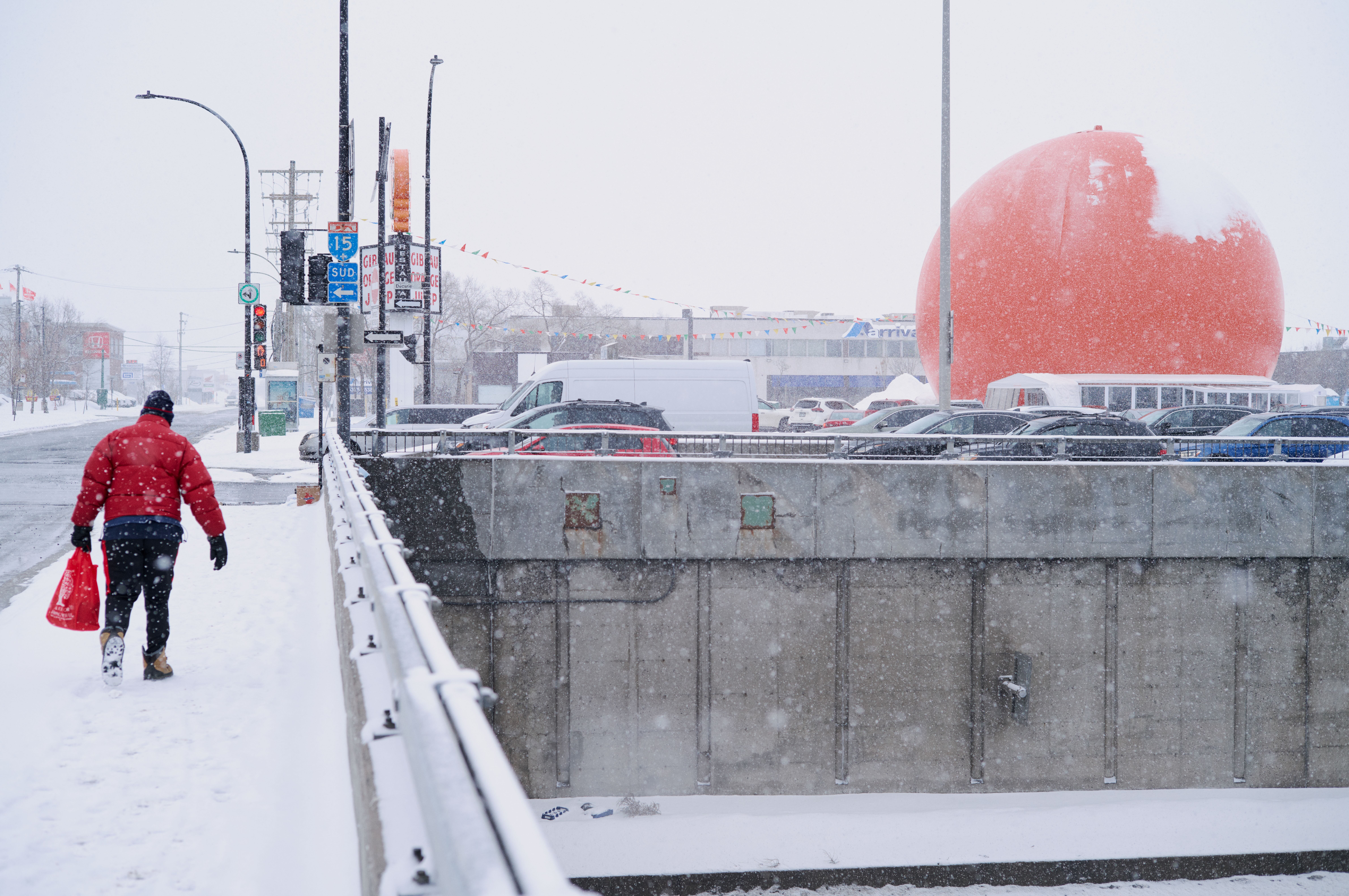
The area is bisected by the Décarie Expressway and flanked by two stroads (a portmanteau of street and road, but fails at both). Montreal likes to tell itself that it’s the most European metropolis on the continent, but step outside the inner-city core, and Montreal resembles any other North American car-centric suburban sprawl. I went there during a snowstorm in mid-February 2024, a couple of weeks after buying my first-ever Leica, an M11. My original idea was to go to the Orange Julep, an iconic fibreglass sphere built in 1966 that still serves as a burger joint to this day. But on the other side of the highway, a ‘90s-era car caught my eye. It was perfectly parked in front of a kitsch mural of a palm tree overhanging a tropical beach painted on the side of a dive bar. With the fresh snow in front of it, it almost resembled sand. It was a humorous yet melancholy portrayal of the promise of a place versus its reality. Perfectly deadpan.
It wasn’t until the album was released that I found out they hadn’t used the photo itself on the cover*. Instead, they’d licensed it as a reference for two Italian artists they’d worked with for over a decade, who hand-painted a miniature diorama of the scene – the mural, the parked car, the snow on the ground from that blizzardy mid-February day. I couldn’t tell the difference between my photo and the diorama; it was that good. As to why they used the diorama rather than my original photo, my guess is that the diorama route sidestepped having to separately license the mural from its original artist.
Atsuko Chiba’s self-titled new album came out at the end of April, and you can listen to it on Apple Music, Spotify and the like.
COMMISSION FOR BERLINER ZEITUNG WEEKEND EDITION
Berliner Zeitung’s photo editor reached out to me a couple of weeks ago and asked if I’d be interested in a last-minute assignment. Of course I was. The brief was to capture “nice postcard-style images” in 10 Berlin neighbourhoods on the city’s outer edges in just one day. No small task. This was going to be a long day, but with some planning ahead, I was relatively confident I could get it done in 14 hours or less. I sketched out my route the day before, identifying which S-Bahn trains, trams, buses and U-Bahn lines I’d need to take and then built myself an itinerary. I figured I’d have between 30 and 40 minutes in each location. This would be an absolute marathon, but I was up for it.
I kept things simple: Leica M11 with a 28mm Summicron and a 50mm Summilux ASPH. Compact, lightweight, manual focus, and small enough not to attract attention. I could charge the battery from a power bank. I had zero hardware hiccups or altercations with members of the public.
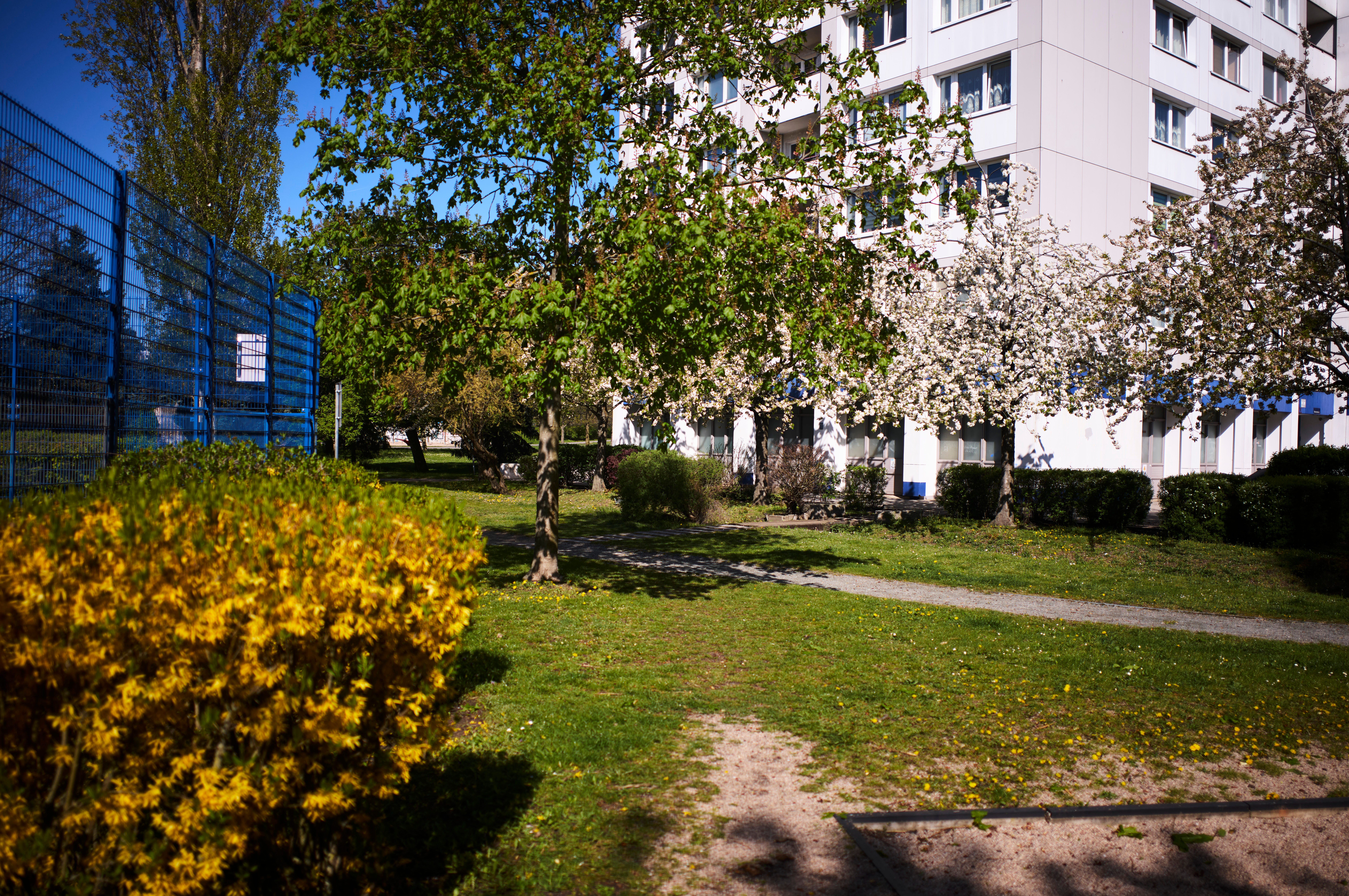
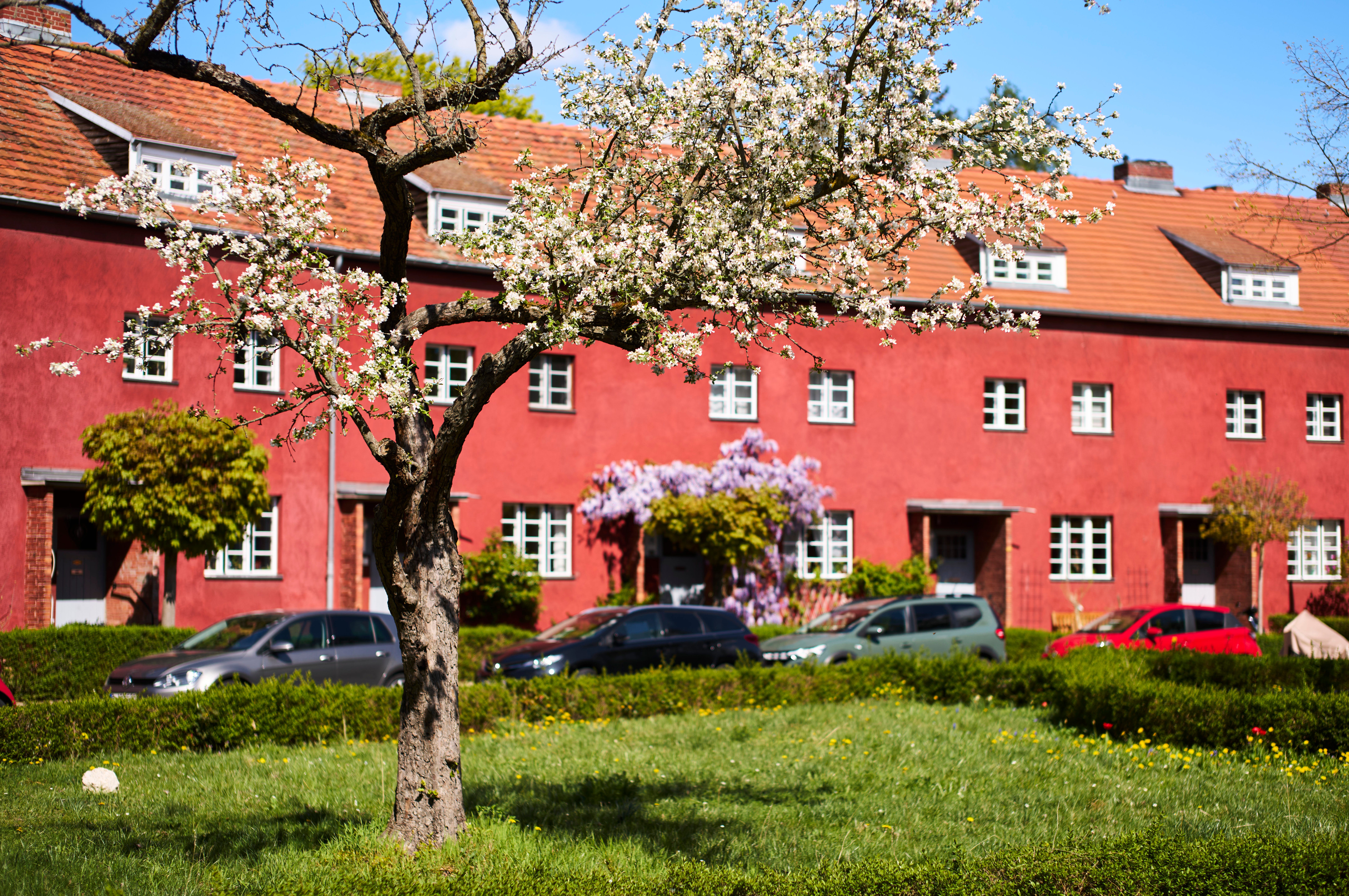
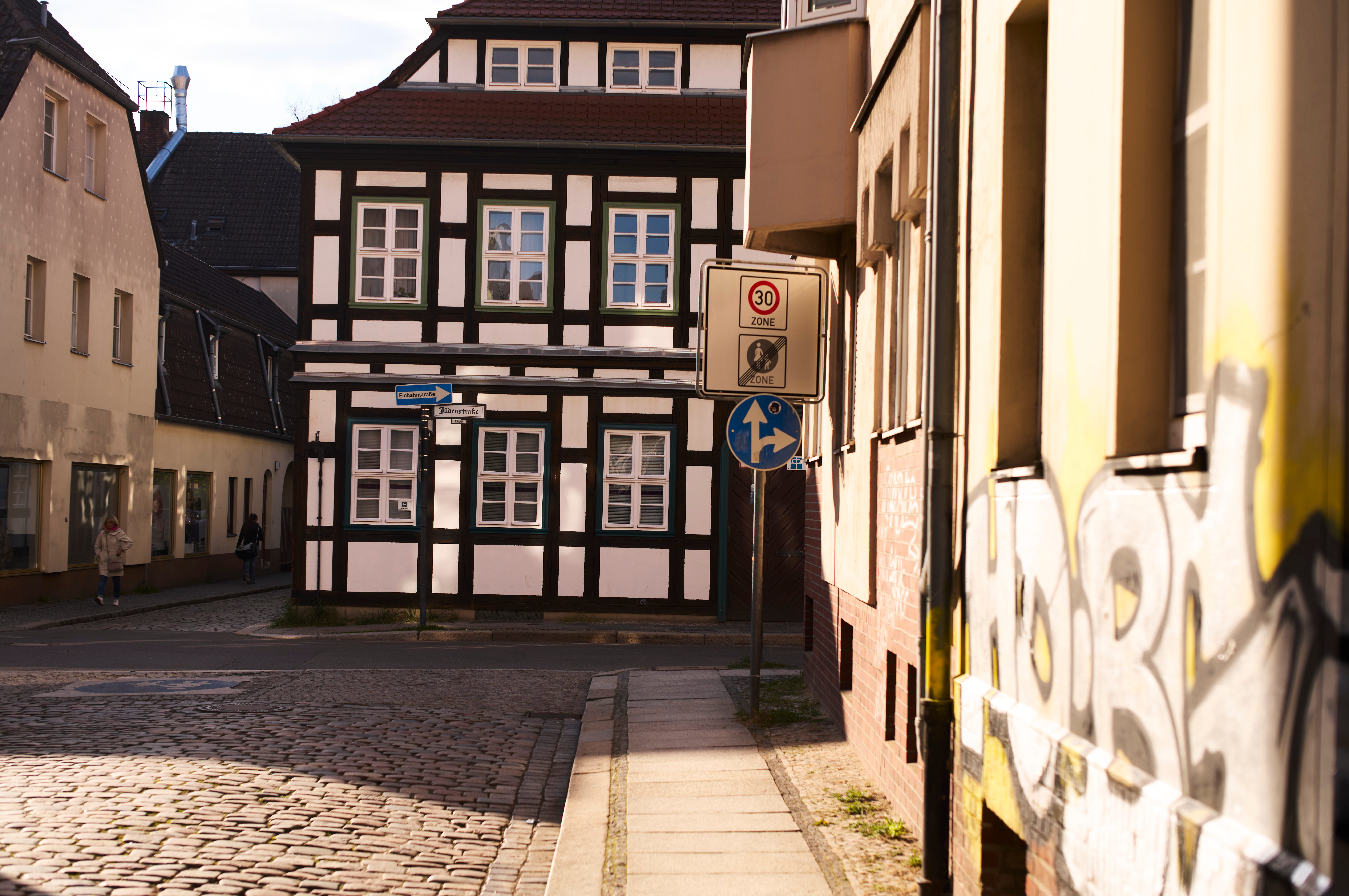
None of the photos I took will win awards. But that wasn’t the point. It was a case of getting to the said neighbourhood, finding the shots and then moving on. Berlin is bigger than I’d realised in my internal map. The city gets typecast as a scruffy, unkempt playground for hedonists. But the outer layers offer something else. The rural-village aesthetics of Lübars, the historic market-town vibes of Spandau and Köpenick, and row upon row of 20-storey communist-era apartment blocks in Marzahn and Weimar-era Neues Bauen housing projects in Britz.


Three days later, the newspaper hit the shelves. I’d assumed the pictures would be used for a feature about a neighbourhood guide. Something for people looking to move away from the inner city. But it was actually the centrepiece feature of the Saturday edition. It was about Berlin’s outer districts, known as the Randbezirke. The argument was they’re becoming the better, more liveable, more economically dynamic parts of the city while the centre falls apart. The full title-theme package across pages 4 to 7 ran under the cover concept “Der Rettungsrand” (a play on Rettungsring, life preserver, and Rand, edge), with the strapline “The centre fails, urban as well as political. Do the edges save Berlin?”.
It was a thought-provoking thesis, but I’m not buying it. It seemed more like wishful thinking that just happened to align with the paper’s editorial line: economically centre-left, culturally conservative. Berlin’s international reputation, still growing, is rooted in its inner-city core, and that won’t be wished away with a vibe-laden Saturday editorial. Kreuzberg, Friedrichshain, Neukölln etc. Yes, they’re scruffy and chaotic (there’s plenty of homelessness and open-air drug use, alleyways with the stench of piss). This is too much for some. Despite the moral panic, Berlin is remarkably safe for a capital city. These inner-city districts are the places where Berlin’s creative spark happens, and the city’s one-of-a-kind history and culture are on display. I didn’t see anything of that magic in the outer fringes of the city, nothing wrong with that, but it’s a stretch to suggest the outer will replace the inner. Still, it was a rewarding assignment. Also, a reminder that as a photographer, you don’t always get to pick the argument your work ends up serving.
AND FINALLY: I BOUGHT A BRAND NEW FILM CAMERA
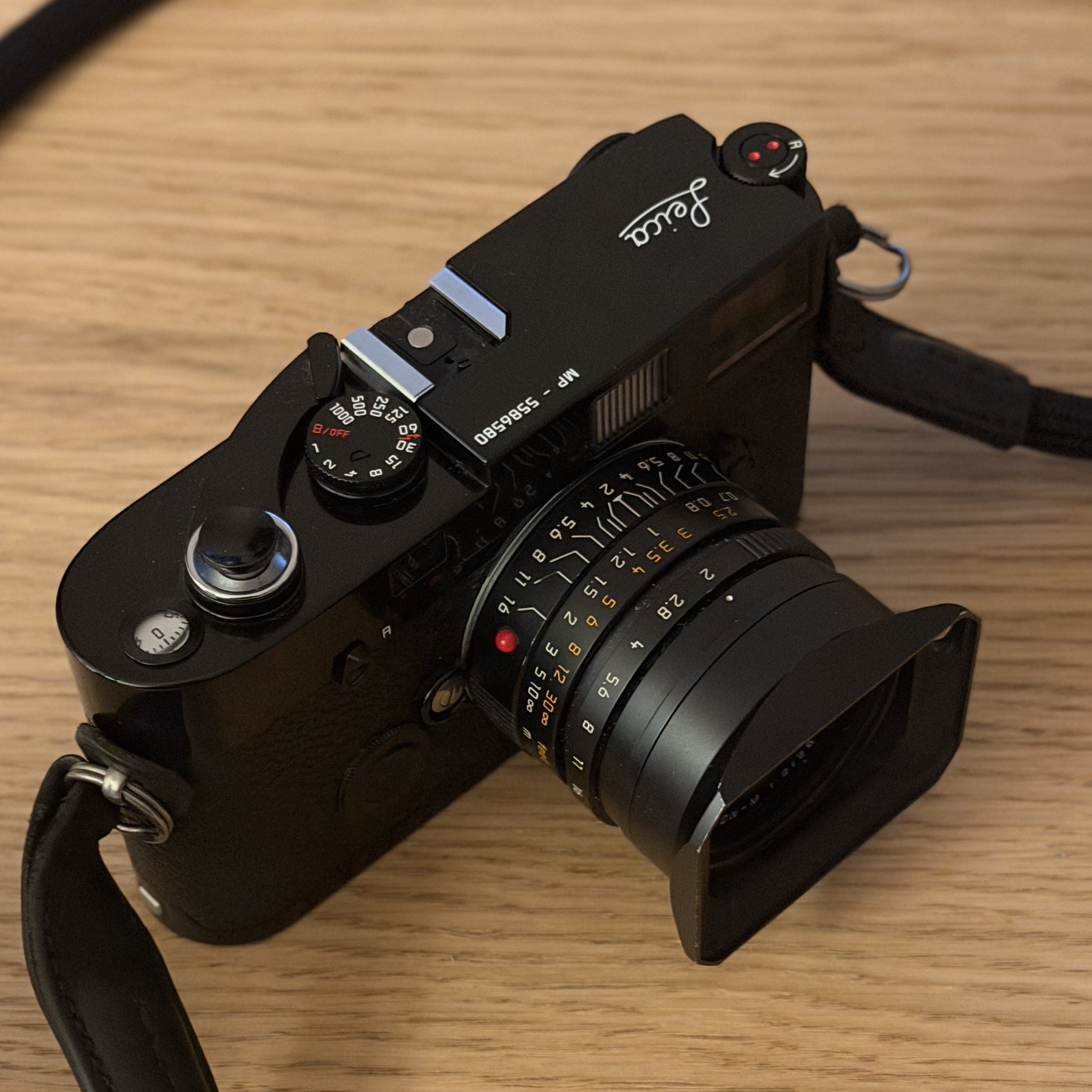
A Leica MP, no less, bought at a very good price from a friend of a friend, who had put only one roll of film through it in the four years he had owned it. This will replace my Leica M6 Classic, which I’ve owned for a couple of years and really enjoyed using much more than I ever expected. I absolutely didn’t need it, but I did want it, and I’ve used the money from the album cover and the Berliner Zeitung assignment to cover the cost difference. I’ve only had it for a few days. It’s not that different from the Leica M6; it has a slightly clearer viewfinder and an improved TTL metering system, plus a brass top and bottom plate, compared to the zinc ones on the M6. It also doesn’t feature a red dot on the front and has a glossy black paint finish that will wear down over time, revealing the brass underneath.
Plenty of people think this patina looks rather beautiful; I’m one of them. I expect it will be my film camera for the rest of my life. Unlike digital bodies, film bodies tend to hold or increase in value over time – not that I’m thinking of it as an investment, but it softens the spend. Now I think about it, both of this year’s assignments were shot on the M11 I’d just bought when I took the Triangle photo in 2024, so it feels right that the work that camera produced is what’s paying for the MP, and they complement one another perfectly by offering the same rangefinder experience, form factor, and lens mount. I’ll share some photos I’ve taken with you soon, perhaps in my next write-up.
You’ve made it to the end!
If you enjoy this, consider recommending my Substack to a friend or leaving a comment. Follow me on Instagram.
Taking film shots on assignment in foreign cities for a newspaper is what dreams are made of… how much of it comes down to connections you have?
I am so sorry for your loss. But also happy at getting a sale for album art and got a new camera!